

Under pressure
Motivating players to act and adapt

The tl;dr
Last week, I introduced one of my core design pillars: environments built to pressure players. This week, I explore that concept more deeply.
Pressure constrains the players’ quantifiable resources
Environments are the primary pressure source
Players act, adapt, and earn catharsis
You can support my work for free just by subscribing.
Defining pressure in TTRPGs
Pressure is force that constrains the players’ quantifiable resources. It squeezes their time, rations, HP — the raw numbers they rely on to make decisions. It comes in two forms:
Soft pressure. This is descriptive and narrative. It shapes the players’ intent without adding math. Rain drives players to find shelter quickly. Boggy terrain makes water precious. A miasma on the land casts a dark pall on the cadaverous adventurers.
Hard pressure. This is prescriptive and mechanical. Hard pressure turns fiction into measurable costs. Rain-soaked clothes add +1 fatigue. Boggy terrain adds -1 to forage rolls. The miasma reduces healing by -1d4.
Extending this metaphor, the GM‘s role is to valve and gauge that pressure, to know when to apply less and more.
Too little pressure, and you enjoy a soft-edged camping sing-along. Fine for real life, but I’m here to slay monsters and loot corpses.
Too much, and we’re dead of dysentery before we’ve left the postern gate.
Both deliver the same terrible, game-killing feeling: choices don’t matter.
I design my environments within that barometric equilibrium, so that hard choices yield rewarding catharsis (and also loot).
Pressure to leave home
Wherever the players find safe haven, there’s little soft pressure for them to leave. Beyond the walls, the world is hostile, inhospitable, and teeming with bloodthirsty monsters. So what pressure do they need to leave?
Hard pressure: Staying at home burns supplies and offers no loot or xp. Simple and simplistic.
Soft pressure offers more complexity that builds on the environment. These pressures trade character cost for player ownership.
FOMO. If we don’t find St. Neven’s Skull, you can bet Rister Rateye will. And if he gets it, he’ll sell it to one of his witch friends.
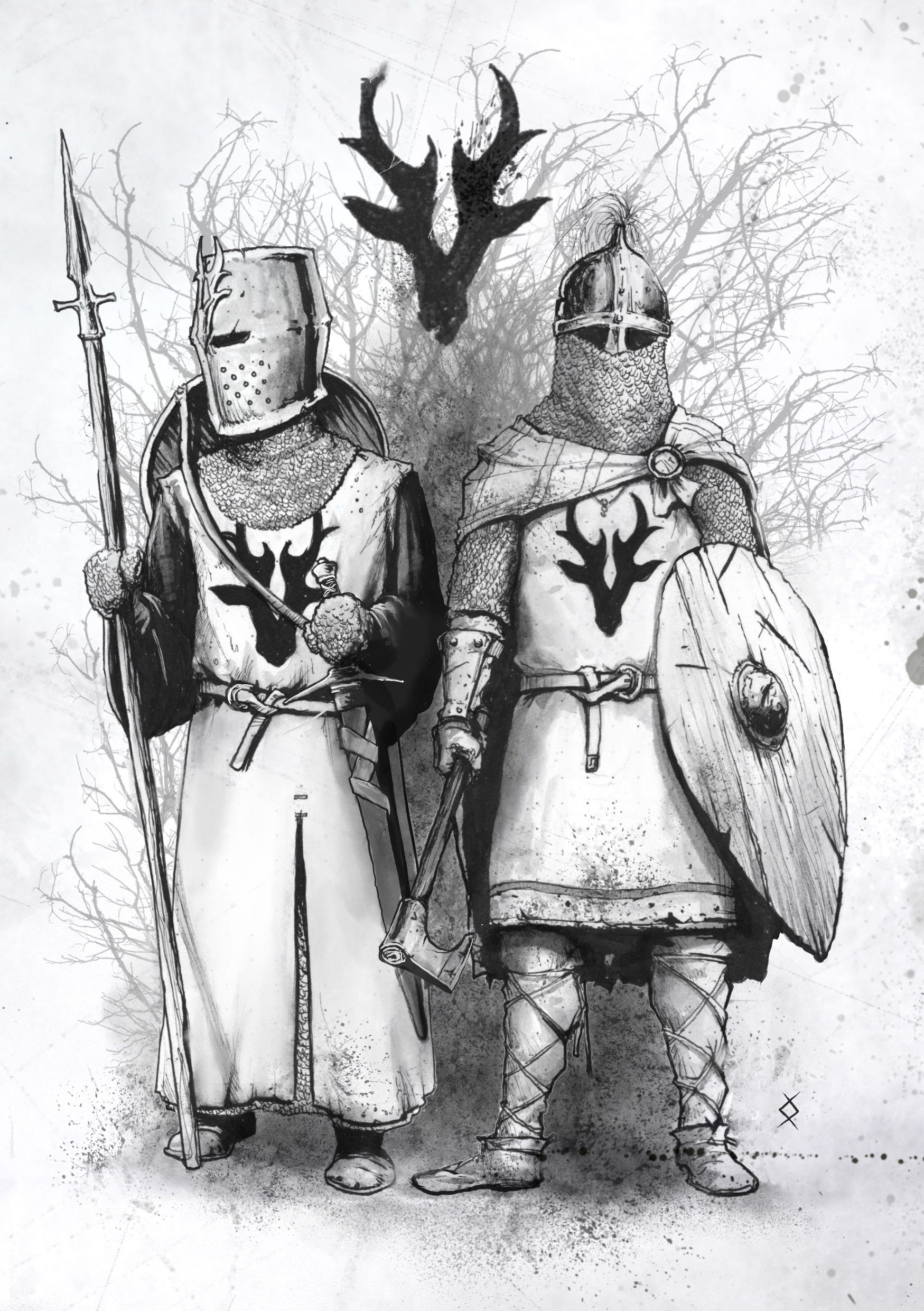
Internal strife. The Stag Knights are riled up again and searching every house in town. Might be good for us to be away for a while.
Bring something back home. We had to abandon the Temple when we fled. The Book of Valor is still there, buried under a flagstone.
Steal something that’ll make home better. The Witch Drusidra keeps a spinning wheel that reveals the fates. We need it more than she does.
Kill something before it makes home worse. The hex-hatch will wake, and when it does, it will kill us all unless we stop it.
Find a new home altogether. There’s nothing for it — we can’t stay in Cloudmire anymore. It belongs to the crows now.
Pressure in the wilderness
Out in the wilderness and far from home, the players are under heavy pressure to keep moving. Supplies are limited, time is finite, and the environment is hostile to outsiders.
Applying pressure out here motivates players to move deeper into those empty hexes in search of supplies and safety.
The weather pressures time and safety. Good weather (rare though it is in Wenderweald) pressures players to travel farther while they can. Poor weather pressures them to seek shelter before they’re soaked through. Both are reinforceable with hard pressure: +1 movement for good weather; +1 fatigue for trudging through the rain.
Terrain pressures supplies. Foraging and hunting vary by terrain, of course, but the terrain can also affect the supplies the players carry. Acidic bogs eat at your boots and soak your trousers. Dark forests require more torchlight. Icy mountains make metal armor dangerous.
Monsters pressure safety. Monsters aren’t random or stupid. They follow predictable patterns, strategize, and attack only what they think they can kill. They’ll hide when they hear a threat approaching. They’ll wait until dark, when humans can’t see, to attack. They’ll stalk prey for miles, steal their supplies, and corral them into advantageous terrain.
Pressure to return home
Players have little incentive to linger in the wilderness, but applied pressure can pull them back home. The characters are fundamentally changed by their experience, and need to restore their equipment and themselves at home. Home is where players can transform and reset their game constraints.
Spend the loot. Gold, silver, and gems translate to sharper blades, harder armor, and black-market witchery.
Heal the body. Deep wounds require a trained mind and skilled hand to heal …or else a witch’s forbidden ritual.
Soothe the soul. The Wenderweald drains the soul. Some turn to prayer, others go to the fighting pits. Some dive into drink, drugs, and brothels.
Every player responds to constrained resources. When the GM applies pressure to those constraints, they’ll move faster and farther, fight harder and longer to succeed.
Watch for the Wenderweald watching.
—Odinson
"GM-as-pressure-valve" is a great metaphor and fits with everything I've learned over the decades.
I wonder, too, whether fictional genres in general can be "dialed in" using this metaphor. In one of your games, or a game of Mothership, the GM's job is to double-down on pressure when, in a game of 5e or Daggerheart, the GM should be letting up. It also helps create a rhythm that you can later subvert to create new expectations.
I think this is close to what I had in mind when I wrote a tiny manifesto a little while ago about "being a fan of the world as much as you are of the players." You're a fan of the PCs, and of all their attempts to master the world... But you're also a fan of the world, its cohesion unto itself, and you're a fan of the ways it fights back to avoid being changed or influenced.
I'd hazard that many players also fall more deeply in love with a world that resists them.
I would guess every GM has spent a game session frustrated because players aren’t going for any story hooks (I know I have).
However, (according to your post here) even if you have story hooks (or character drives) to motivate players… if you don’t also place some pressure on them to act… those hooks won’t move the game forward. I think you’re on to something.
This is a really cool observation.
Thanks for writing!